Large-format printing transforms bold ideas into graphics that command attention at grand scales. Maybe it's a 30-foot construction site banner, wallcoverings for a hotel lobby, or a set of exhibit-spanning museum panels. Whatever the goal, it often starts with the same question: what is large format digital printing, and how can it help my vision come to life?
What is Large Format Digital Printing, and Why Does It Matter?
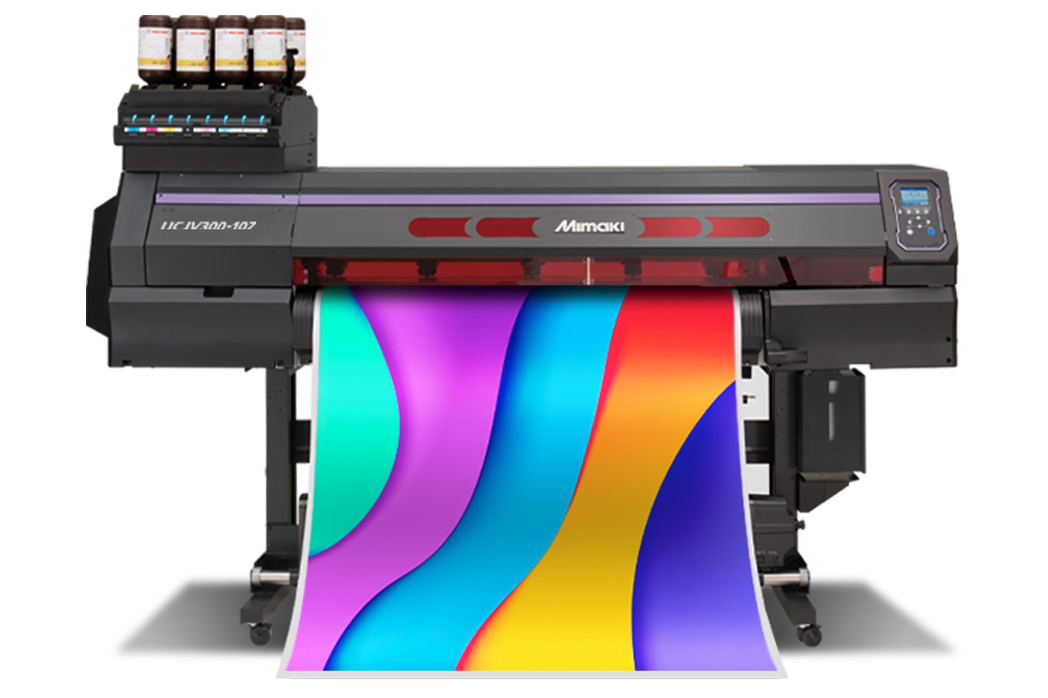
Large format digital printing (also referred to as wide format printing) is the process of producing high-resolution graphics on oversized substrates—materials wider than the standard printer you would find at an office supply store. These prints can range from 18 inches wide to several hundred square feet.
The process works like a scaled-up version of an inkjet printer. Digital files are sent directly to specialized printers that lay down ink (UV-cured, solvent, latex, or dye-sublimation, depending on the application) onto flat or rolled materials. There's no plate-making, no screen setup, and no minimum run. You can print one banner or a hundred, which makes it ideal for one-off custom work and larger production runs.
For businesses, institutions, and construction firms across the Gulf South, this is the technology behind everything from giant branded job site signage to fine-art-quality interior installations. Once you are looking for it, you'll recognize it all around you.
Understanding the Materials for Large Format Digital Printing
One of the biggest misconceptions about large format digital printing is that it only applies to vinyl banners and posters. The reality is much broader.
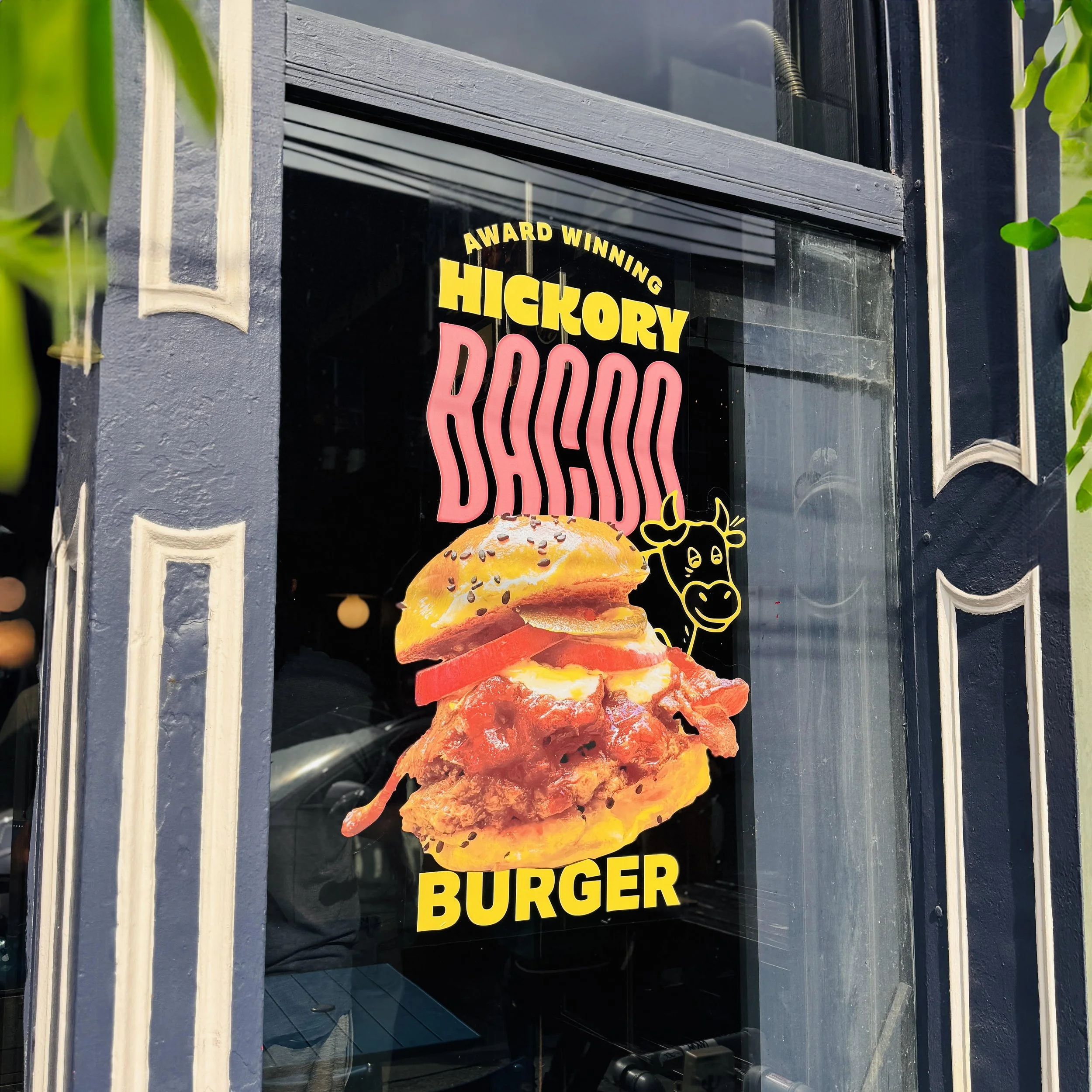
Modern large format printers can handle a wide range of substrates, including acrylic, wood, foam core, PVC, metal panels, fabric, adhesive vinyl, and specialty wallcoverings. The choice of material depends on the final product’s use and destination: outdoor durability, indoor aesthetics, fire rating requirements, texture, and how the finished piece will ultimately be mounted or installed.
At OPA, we print on all of the above and then some. We laminate in-house to protect finished prints, and we apply automotive-grade clear coats for pieces that need to hold up against weather and UV exposure.

Where Large Format Digital Printing Comes to Life
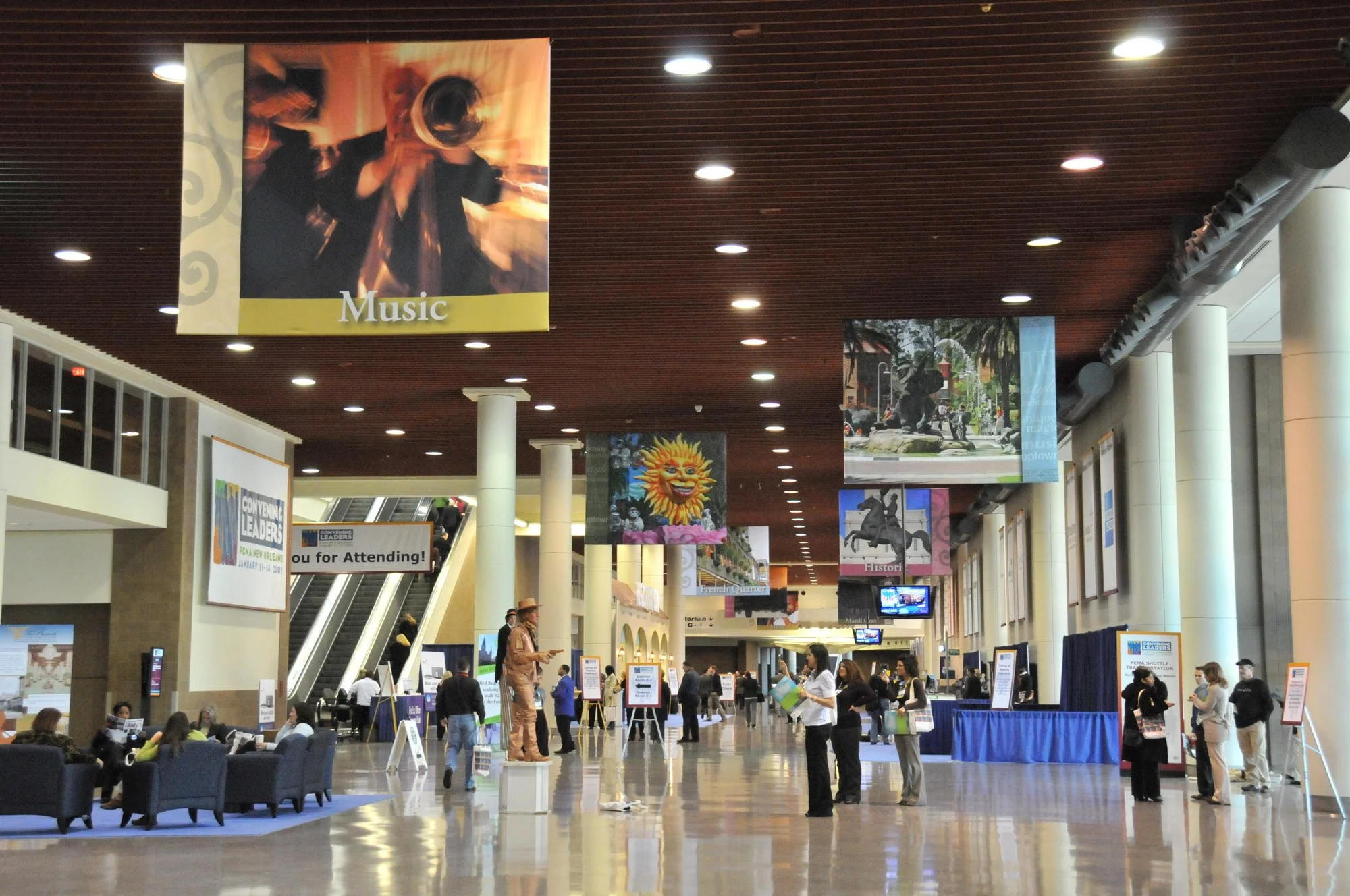
According to recent research from Smithers, the demand for wide-format printing will continue to rise globally over the next ten years, fueled largely by growth in construction graphics, retail displays, and architectural décor applications. Below are just a few of the common applications for large format printing:
Construction and job site signage. Project banners, fence wraps, safety signage, and progress boards. If you've driven past a new development and seen branded barricades or a rendering of the finished building wrapped around the perimeter, that's large format work.
Custom wallcoverings and murals. Hotels, restaurants, corporate offices, and healthcare facilities use printed wallpaper and wall murals to transform interiors. These aren't the peel-and-stick decals from a big box store but rather precision-printed, custom-fit installations that turn blank walls into branded environments.
Museum and exhibit graphics. Interpretive panels, backlit displays, and full-environment immersive installations all rely on high-resolution large format output. Color accuracy and material quality are true non-negotiables here.
Retail and event signage. Pop-up displays, trade show graphics, window vinyl, floor decals, and point-of-purchase materials. Fast turnaround matters, and digital printing delivers.
What is the advantage of Large Format Digital Printing Over Traditional Methods?
Traditional sign-making methods such as screen printing, hand painting, and offset printing still have their place in sign production and certainly in art. But for most commercial applications, large format digital printing wins on flexibility, speed, and cost-effectiveness.
For one, there's no setup cost per color. Full-color photographic images cost the same to print as a single-color logo. Additionally, design changes can be made between prints quickly and efficiently; because files go straight from computer to printer, turnaround times can be measured in hours rather than days.
That speed matters for the construction company that needs 200 linear feet of project banners by the end of the week, it matters for the event planner who received final approvals on Tuesday for a Saturday wedding, and it definitely matters for the architect whose client changed the color palette for the third time this month.

What is the quality of Large Format Digital Printing?
What print quality can be achieved with large format printing and how does it vary? Not all large format printing is created equal. What separates a sharp, vibrant piece from an underwhelming, blurry, or desaturated print depends on five variables: graphic resolution, printer and printhead quality, color management, and material selection.
Graphic Resolution
Large-format graphics operate at a scale where every detail becomes visible, meaning artwork that looks acceptable on a screen or small print can quickly appear soft or pixelated when enlarged across walls, vehicles, or signage. Preparing graphics at large scales starts with understanding the difference between vector files (scalable paths ideal for logos and typography) and raster images, which are pixel-based and must be supplied at sufficient resolution to maintain clarity.
An experienced graphic designer can help bridge the gap through vector reconstruction, intelligent upscaling, and hands-on refinement, transforming low-resolution artwork into crisp, production-ready graphics that translate confidently from screen to big spaces.
Printer & Printhead Quality
Behind every crisp, vibrant large-format graphic is more than just strong graphics—it’s the quality of the printers and printheads doing the work. Advanced printheads place ink with incredible precision, allowing fine details, smooth color transitions, and small text to stay sharp even when graphics are produced at architectural scale. The result is large-format printing that looks clean and cohesive.
Color Management
Color management involves calibrating printers to produce accurate, consistent color across different substrates and print runs. A red that matches your brand on vinyl should match your brand on acrylic and on fabric as well. That takes equipment maintenance, ICC profiles, and a team that understands color science.
Material Selection
Knowing which substrate performs best for different applications is critical in determining large format print quality. Not every vinyl is outdoor-rated, and not every fabric takes ink the same way. The wrong material will peel, fade, or curl, which makes working with a reliable, experienced printer so crucial.

The Importance of Finishing
Finishing separates a print on the cutting room floor from a completed product. It includes lamination, clear coating, edge treatment, and mounting– all the steps that protect your investment and determine how long it holds up in the real world.
A laminated print resists scratching, moisture, and fingerprints. An automotive-grade clear coat guards against UV fading and weather damage, keeping colors true for years rather than months. Clean edge treatment and proper mounting ensure the final piece sits flush, stays flat, and looks intentional in its environment. Finishing makes the difference between a print that looks great on day one and a print that looks great on day 501.
Large Format Digital Printing with OPA Graphics
At OPA, large format digital printing is one piece of a much larger process and operation. Our print shop works alongside our fabrication team—CNC routing, welding, painting, and electrical—allowing projects to easily move through multiple departments in tandem. That's the power of having high-tech printing capabilities inside a 40,000-square-foot fabrication facility. It's not just about putting ink on a surface; it's about knowing how a printed piece is integrated into the finished product and engineering it accordingly.
Contact our team to start the conversation.